-
स्टील के टैंकों में मिला हुआ कांच (596)
-
स्टेनलेस स्टील के टैंक (434)
-
फ्यूजन बॉन्ड इपॉक्सी टैंक (592)
-
जस्ती स्टील के टैंक (321)
-
एल्यूमीनियम गुंबद छत (1316)
-
अपशिष्ट जल भंडारण टैंक (231)
-
वेल्डेड स्टील टैंक (457)
-
दबाव वाहिकाओं (295)
-
अवायवीय पाचक (201)
-
औद्योगिक जल टैंक (349)
-
शीशे से ढकी हुई स्टील की टंकी (180)
-
बोल्ट स्टील टैंक (390)
-
कीचड़ भंडारण टैंक (115)
-
बायोगैस भंडारण टैंक (173)
-
लीचेट भंडारण टैंक (133)
-
कृषि जल भंडारण टैंक (179)
-
अग्नि जल टैंक (166)
-
अनाज भंडारण (146)
-
बायोगैस परियोजनाएं (425)
-
अपशिष्ट जल उपचार परियोजनाएं (788)
-
दोहरी झिल्ली वाली छत (223)

|
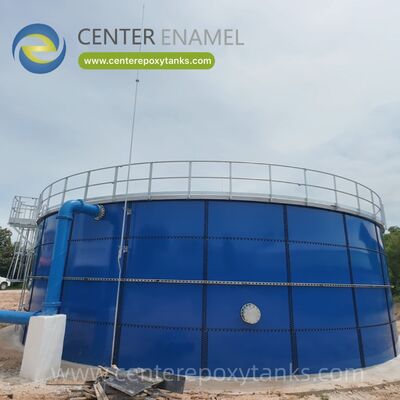
खाद्य अपशिष्ट जैव गैस किण्वन टैंक के रूप में बोल्ट स्टील टैंकः खाद्य आधारित अपशिष्ट में पाए जाने वाले विभिन्न कार्बनिक एसिड और तेलों का प्रतिरोध करता है।
| उत्पत्ति के प्लेस: | चीन |
| ब्रांड नाम: | CEC TANKS |
| प्रमाणन: | ISO 9001:2008, AWWA D103 , OSHA , BSCI |
| मॉडल संख्या: | डब्ल्यू |
| न्यूनतम आदेश मात्रा: | 1 सेट |
| मूल्य: | $5000~$20000 one set |
| पैकेजिंग विवरण: | प्रत्येक दो स्टील प्लेटों के बीच पीई पॉली-फोम; लकड़ी का फूस और लकड़ी |
| प्रसव के समय: | जमा प्राप्त होने के 10-30 दिन बाद |
| भुगतान शर्तें: | एल/सी, टी/टी |
| आपूर्ति की क्षमता: | प्रति माह 60 सेट |
|
विस्तार से जानकारी |
|||
उत्पाद का वर्णन
खाद्य अपशिष्ट बायोगैस किण्वन टैंक के रूप में बोल्टेड स्टील टैंक: खाद्य-आधारित कचरे में पाए जाने वाले विभिन्न कार्बनिक एसिड और तेलों का प्रतिरोध करता है।
शहरी स्थिरता के तेजी से बढ़ते क्षेत्र में, खाद्य अपशिष्ट एक उच्च-ऊर्जा फीडस्टॉक का प्रतिनिधित्व करता है जो अद्वितीय तकनीकी चुनौतियां प्रस्तुत करता है।खाद्य अपशिष्ट बायोगैस किण्वन टैंक विशेष एनारोबिक रिएक्टर हैं जो उपभोक्ता के बाद के खाद्य स्क्रैप, वाणिज्यिक रसोई कचरे और समाप्त खुदरा उत्पादों के जटिल मिश्रण को संसाधित करने के लिए डिज़ाइन किए गए हैं। कृषि अपशिष्ट के विपरीत, खाद्य अपशिष्ट में लिपिड (वसा, तेल और ग्रीस) की उच्च सांद्रता, विभिन्न नमक स्तर और एक तेजी से अम्लीकरण प्रक्रिया की विशेषता होती है जो आक्रामक अस्थिर फैटी एसिड (वीएफए) उत्पन्न करती है। ये स्थितियां एक अत्यधिक संक्षारक आंतरिक वातावरण बनाती हैं जो मानक कंक्रीट या असुरक्षित स्टील को जल्दी से खराब कर सकती हैं। एक स्थिर और उत्पादक मीथेन उपज सुनिश्चित करने के लिए, किण्वन टैंक एक निष्क्रिय, उच्च-शक्ति वाला बर्तन होना चाहिए जो इन "गर्म" फीडस्टॉक को प्रबंधित करने में सक्षम हो, साथ ही एक पूरी तरह से एनारोबिक,इकाइयों को स्थापित किया गया था।प्रतिक्रिया क्षेत्र प्रदान करे।
शहरी अपशिष्ट-से-ऊर्जा के लिए एक लचीला औरजीवन चक्र होता है जहां ध्यान संरचनात्मक मरम्मत के बजाय अपशिष्ट प्रसंस्करण पर बना रहता है, यह सुनिश्चित करता है कि सुविधा का ऊर्जा उत्पादन निर्बाध बना रहे।समाधान प्रदान करने के लिए,की संरचनात्मक लचीलापन को(एपॉक्सी कोटेड स्टील टैंक) प्रमुख वैश्विक विकल्प हैं। ये बोल्टेड स्टील इकाइयां एक कारखाने-प्रमाणित बाधा प्रदान करती हैं जो विशेष रूप से खाद्य अपशिष्ट किण्वन की रासायनिक जटिलता और तेज प्रसंस्करण गति का सामना करने के लिए इंजीनियर की गई है।
उत्पाद अनुप्रयोग: उच्च-उपज शहरी ऊर्जा वसूली
खाद्य अपशिष्ट सेवा के लिए हमारेकी संरचनात्मक लचीलापन कोसबसे गहन जैव-ऊर्जा अनुप्रयोगों का समर्थन करने के लिए इंजीनियर किए गए हैं:
वाणिज्यिक और औद्योगिक (सी एंड आई) खाद्य अपशिष्ट डाइजेस्टर:खाद्य प्रसंस्करण संयंत्रों और वितरण केंद्रों से बड़े पैमाने पर कार्बनिक धाराओं को संसाधित करना।
नगरपालिका स्रोत-पृथक कार्बनिक (एसएसओ) प्रणाली:स्थानीय ग्रिड के लिए नवीकरणीय प्राकृतिक गैस (आरएनजी) में घरेलू खाद्य स्क्रैप को परिवर्तित करना।
एफओजी (वसा, तेल और ग्रीस) सह-पाचन इकाइयां:मौजूदा सुविधाओं में बायोगैस उत्पादन को महत्वपूर्ण रूप से बढ़ावा देने के लिए उच्च-लिपिड सांद्रता का प्रबंधन करना।
रेस्तरां और होटल अपशिष्ट रिएक्टर:बड़े वाणिज्यिक परिसरों के लिए विकेन्द्रीकृत, मॉड्यूलर ऊर्जा वसूली प्रदान करना।
उत्पाद लाभ: रासायनिक लचीलापन और प्रक्रिया स्थिरता
खाद्य अपशिष्ट किण्वन के लिएकी संरचनात्मक लचीलापन कोका चयन करने का प्राथमिक लाभ आक्रामक कार्बनिक भार के प्रति उनके बेहतर प्रतिरोध में निहित है:
कार्बनिक एसिड के खिलाफ उन्नत शील्डिंग:खाद्य अपशिष्ट तेजी से अम्लीकृत होता है। कारखाने में लगाया गया एपॉक्सी कोटिंग हाइड्रोलिसिस चरण के दौरान उत्पन्न निम्न $pH$ स्तरों और वीएफए के खिलाफ एक स्थायी, गैर-छिद्रपूर्ण बाधा प्रदान करता है, यह सुनिश्चित करता है कि टैंकइकाइयों को स्थापित किया गया था।रहे।
लिपिड और नमक प्रतिरोध:एपॉक्सी सतह खाद्य अपशिष्ट में प्रचलित तेलों और लवणों के प्रति रासायनिक रूप से निष्क्रिय है, सामग्री के क्षरण को रोकती है और यह सुनिश्चित करती है कि संरचनात्मक स्टील दीर्घकालिक रासायनिक हमले से सुरक्षित रहे।
शहरी साइटों के लिए मॉड्यूलर इंजीनियरिंग:खाद्य अपशिष्ट संयंत्र अक्सर स्थान-बाधित औद्योगिक क्षेत्रों में स्थित होते हैं। बोल्ट-एक साथ डिजाइन कॉम्पैक्ट शिपिंग और तेजी से असेंबली की अनुमति देता है, जिससे यह शहरी बुनियादी ढांचे के लिए एकजीवन चक्र होता है जहां ध्यान संरचनात्मक मरम्मत के बजाय अपशिष्ट प्रसंस्करण पर बना रहता है, यह सुनिश्चित करता है कि सुविधा का ऊर्जा उत्पादन निर्बाध बना रहे।विकल्प बन जाता है।
हर्मेटिक एनारोबिक सील:उच्च-सटीकता बोल्टेड जोड़ों और विशेष औद्योगिक सीलेंट का उपयोग करके, हमारे टैंक मीथेनोजेनिक बैक्टीरिया के अस्तित्व के लिए आवश्यक ऑक्सीजन-मुक्त वातावरण प्रदान करते हैं, जिससे मीथेन की शुद्धता और उपज अधिकतम होती है।
अनुकूलन: प्रक्रिया भार और सुरक्षा के लिए इंजीनियरिंग
खाद्य अपशिष्ट किण्वन के लिए संक्षारक वाष्प और उच्च-टॉर्क मिश्रण के प्रबंधन के लिए विशेष विन्यासों की आवश्यकता होती है:
की उन्नत शील्डिंग के साथ जोड़ते हैं। एक व्यापक पैकेज प्रदान करके - कार्बनिक-भार मॉडलिंग और जोखिम मूल्यांकन से लेकर अंतिम स्थापना तक - हम यह सुनिश्चित करते हैं कि आपका खाद्य अपशिष्ट बायोगैस किण्वन टैंक नवीकरणीय ऊर्जा वसूली को अधिकतम करने और दशकों के विश्वसनीय, सुरक्षित संचालन को सुनिश्चित करने के लिए निर्मित एक प्रणाली से लैस हो।
एक पूर्ण मौसम-तंग सील और अम्लीय गैस संग्रह क्षेत्र के लिए एक टिकाऊ कवर सुनिश्चित करने के लिए, हमकी उन्नत शील्डिंग के साथ जोड़ते हैं। एक व्यापक पैकेज प्रदान करके - कार्बनिक-भार मॉडलिंग और जोखिम मूल्यांकन से लेकर अंतिम स्थापना तक - हम यह सुनिश्चित करते हैं कि आपका खाद्य अपशिष्ट बायोगैस किण्वन टैंक नवीकरणीय ऊर्जा वसूली को अधिकतम करने और दशकों के विश्वसनीय, सुरक्षित संचालन को सुनिश्चित करने के लिए निर्मित एक प्रणाली से लैस हो।को एक रणनीतिक मानक के रूप में एकीकृत करते हैं।
आक्रामक गैस हेडस्पेस के प्रति प्रतिरोध:एल्यूमीनियम खाद्य अपशिष्ट रिएक्टरों में पाए जाने वाले आर्द्र, $H_2S$-समृद्ध गैस क्षेत्र के संक्षारक प्रभावों के लिए स्वाभाविक रूप से प्रतिरक्षित है, जो पारंपरिक स्टील या कंक्रीट कवर से बेहतर प्रदर्शन करता है।
गहन आंदोलन के लिए समर्थन:घने कार्बनिक भार के प्रबंधन के लिए खाद्य अपशिष्ट को उच्च-शक्ति मिश्रण की आवश्यकता होती है। एल्यूमीनियम डोम का जियोडेसिक डिजाइन आंतरिक स्तंभों के बिना जबरदस्त संरचनात्मक शक्ति प्रदान करता है, जिससे शीर्ष पर लगे मिक्सर की स्थापना की अनुमति मिलती है।
थर्मल विनियमन:उच्च परावर्तन सौर गर्मी लाभ को कम करता है, जिससे संवेदनशील सूक्ष्मजीव आबादी को खाद्य-आधारित फीडस्टॉक को कुशलतापूर्वक संसाधित करने के लिए आवश्यक स्थिर तापमान बनाए रखने में मदद मिलती है।
एकीकृत स्कम और ग्रिट प्रबंधन
हमारे टैंक को तलछट पहुंच के लिए प्रबलित मैनवे, गाढ़ा घोल प्रबंधन के लिए उच्च-व्यास नोजल, और खाद्य अपशिष्ट की उच्च वसा सामग्री को प्रबंधित करने के लिए स्कम-ब्रेकिंग उपकरण के लिए आंतरिक समर्थन के साथ अनुकूलित किया गया है।
प्रदर्शन पैरामीटर और उद्योग मानक
खाद्य अपशिष्ट सेवा के लिए हमारेकी संरचनात्मक लचीलापन कोउच्चतम वैश्विक तकनीकी बेंचमार्क को पूरा करते हैं:
वैश्विक गुणवत्ता अनुपालन:बोल्टेड स्टील कंटेनमेंट और गैस-टाइट प्रदर्शन के लिएAWWA D103औरISOमानकों को पूरा करना।
गुणवत्ता आश्वासन:प्रत्येक पैनल परिष्कृत गैस के लिए एक आदर्श बाधा प्रदान करते हुए, कोटिंग मोटाई और शून्य सरंध्रता सुनिश्चित करने के लिए उच्च-वोल्टेज कारखाने परीक्षण से गुजरता है।
संरचनात्मक इंजीनियरिंग:परिचालन सुरक्षा सुनिश्चित करने के लिए गतिशील तरल भार, आंतरिक गैस दबाव, भूकंपीय आवश्यकताओं और चरम हवा भार के लिए सटीक गणना की गई।
उत्पाद स्थापना और रखरखाव
तेजी से मॉड्यूलर स्थापना
एपॉक्सी कोटेड टैंककी संरचनात्मक लचीलापन कोन्यूनतम रखरखाव और परिचालन निरंतरता
टिकाऊ एपॉक्सी फिनिश को न्यूनतम हस्तक्षेप के साथ दीर्घकालिक सेवा के लिए डिज़ाइन किया गया है। इसके परिणामस्वरूप एक
किफायतीजीवन चक्र होता है जहां ध्यान संरचनात्मक मरम्मत के बजाय अपशिष्ट प्रसंस्करण पर बना रहता है, यह सुनिश्चित करता है कि सुविधा का ऊर्जा उत्पादन निर्बाध बना रहे।परियोजना मामले: वैश्विक बुनियादी ढांचे में सिद्ध प्रदर्शन
भारी जैविक भार के प्रबंधन में हमारी तकनीक की विश्वसनीयता इन गैर-काल्पनिक परियोजनाओं में प्रदर्शित होती है:
सिचुआन चेंगदू अपशिष्ट जल उपचार संयंत्र परियोजना:
इस परियोजना ने बड़े पैमाने पर किण्वन प्रणालियों के लिए आवश्यक संरचनात्मक स्थिरता और मॉड्यूलर दक्षता को साबित करते हुए, बड़े पैमाने पर सामग्री की मात्रा को प्रबंधित करने के लिए1इकाइयों का उपयोग किया।सऊदी नगरपालिका सीवेज और औद्योगिक अपशिष्ट परियोजना:
चरम गर्मी और पर्यावरणीय तनाव वाले क्षेत्र में, अपशिष्ट-से-ऊर्जा रूपांतरण के लिए एक टिकाऊ,जंग-मुक्तसमाधान प्रदान करने के लिए इन टैंकों की5इकाइयों को स्थापित किया गया था।हेबै नगरपालिका जल और सीवेज अवसंरचना परियोजना:
इस परियोजना ने महत्वपूर्ण क्षेत्रीय उपयोगिता सेवा का समर्थन करने के लिए एक उच्च-अखंडता बोल्टेड टैंक की1इकाई का उपयोग किया, जो बोल्टेड प्रणाली की विश्वसनीयता को प्रदर्शित करता है।कंपनी के लाभ: हमारी मुख्य क्षमता
हमारी कंपनी की मुख्य प्रतिस्पर्धात्मकता "प्रक्रिया-तैयार शहरी ऊर्जा समाधान" प्रदान करने की हमारी क्षमता में निहित है। हम
एपॉक्सी कोटेड टैंककी संरचनात्मक लचीलापन कोएल्यूमीनियम डोम छतेंकी उन्नत शील्डिंग के साथ जोड़ते हैं। एक व्यापक पैकेज प्रदान करके - कार्बनिक-भार मॉडलिंग और जोखिम मूल्यांकन से लेकर अंतिम स्थापना तक - हम यह सुनिश्चित करते हैं कि आपका खाद्य अपशिष्ट बायोगैस किण्वन टैंक नवीकरणीय ऊर्जा वसूली को अधिकतम करने और दशकों के विश्वसनीय, सुरक्षित संचालन को सुनिश्चित करने के लिए निर्मित एक प्रणाली से लैस हो।