-
स्टील के टैंकों में मिला हुआ कांच (596)
-
स्टेनलेस स्टील के टैंक (434)
-
फ्यूजन बॉन्ड इपॉक्सी टैंक (592)
-
जस्ती स्टील के टैंक (321)
-
एल्यूमीनियम गुंबद छत (1316)
-
अपशिष्ट जल भंडारण टैंक (231)
-
वेल्डेड स्टील टैंक (457)
-
दबाव वाहिकाओं (295)
-
अवायवीय पाचक (201)
-
औद्योगिक जल टैंक (349)
-
शीशे से ढकी हुई स्टील की टंकी (180)
-
बोल्ट स्टील टैंक (390)
-
कीचड़ भंडारण टैंक (115)
-
बायोगैस भंडारण टैंक (173)
-
लीचेट भंडारण टैंक (133)
-
कृषि जल भंडारण टैंक (179)
-
अग्नि जल टैंक (166)
-
अनाज भंडारण (146)
-
बायोगैस परियोजनाएं (425)
-
अपशिष्ट जल उपचार परियोजनाएं (788)
-
दोहरी झिल्ली वाली छत (223)

|
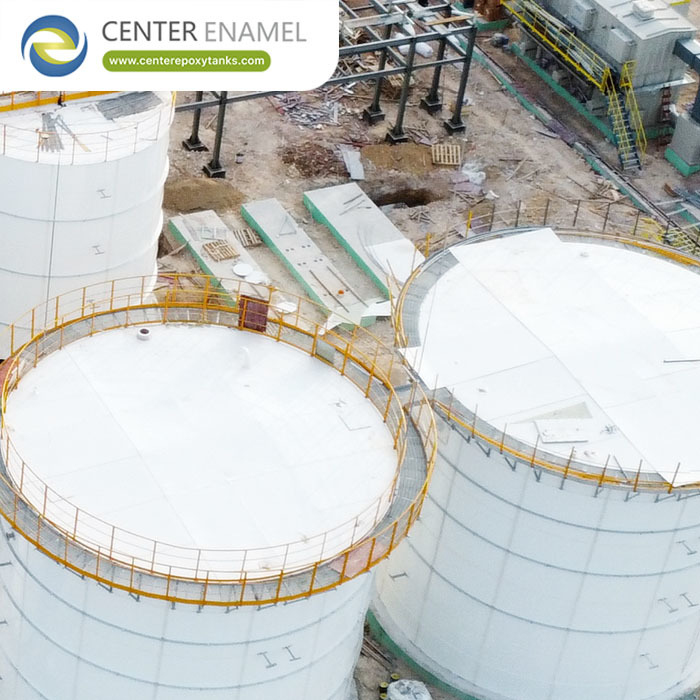
एफबीई स्पष्टीकरण पूलः उच्च दक्षता वाले तलछट के लिए 2026 इंजीनियरिंग मानक
| उत्पत्ति के प्लेस: | चीन |
| ब्रांड नाम: | CEC TANKS |
| प्रमाणन: | ISO 9001:2008, AWWA D103 , OSHA , BSCI |
| मॉडल संख्या: | W201691123005 |
| न्यूनतम आदेश मात्रा: | 1 सेट |
| मूल्य: | $5000~$20000 one set |
| पैकेजिंग विवरण: | प्रत्येक दो स्टील प्लेटों के बीच पीई पॉली-फोम; लकड़ी के फूस और लकड़ी के बक्से |
| प्रसव के समय: | जमा प्राप्त होने के 0-60 दिन बाद |
| भुगतान शर्तें: | एल/सी, टी/टी |
| आपूर्ति की क्षमता: | प्रति माह 60 सेट |
|
विस्तार से जानकारी |
|||
| उत्पत्ति के प्लेस | चीन | ब्रांड नाम | CEC TANKS |
|---|---|---|---|
| प्रमाणन | ISO 9001:2008, AWWA D103 , OSHA , BSCI | मॉडल संख्या | W201691123005 |
| स्टील प्लेट की मोटाई: | 3 मिमी से 12 मिमी, टैंक संरचना पर निर्भर करता है | संक्षारण अखंडता: | उत्कृष्ट |
| रासायनिक प्रतिरोध: | उत्कृष्ट | क्षमता: | 20 m3 से 18,000 m3 |
| सेवा जीवन: | ≥30 वर्ष | भेद्यता: | गैस / तरल अभेद्य |
| प्रमुखता देना: | एफबीई स्पष्टीकरण पूल 2026 मानक,उच्च दक्षता वाले तलछट टैंक,फ्यूजन बंधित एपॉक्सी तलछट पूल |
||
उत्पाद का वर्णन
एफबीई स्पष्टीकरण पूल: उच्च दक्षता अवसादन के लिए 2026 इंजीनियरिंग मानक
नगरपालिका जल उपचार और औद्योगिक अपशिष्ट जल प्रबंधन में, अवसादन और पृथक्करण चरण एक महत्वपूर्ण बाधा है।स्पष्टीकरण पूल(इसे स्पष्टीकरण या अवसादन टैंक के रूप में भी जाना जाता है) गुरुत्वाकर्षण निपटान के माध्यम से पानी से निलंबित ठोस पदार्थों, फ्लोकुलेटेड कणों और रासायनिक अवक्षेपों को हटाने के लिए जिम्मेदार है।
2026 तक,फ्यूजन बॉन्डेड एपॉक्सी (एफबीई) बोल्टेड स्टील पूलस्पष्टीकरण प्रणालियों के लिए निश्चित वैश्विक बुनियादी ढांचे की पसंद बन गए हैं। फैक्ट्री-निर्मित कार्बन स्टील की संरचनात्मक ताकत को एक उन्नत, आणविक रूप से क्रॉस-लिंक्ड पॉलिमर लाइनिंग के साथ विलय करके, एफबीई तकनीक पारंपरिक कंक्रीट या फील्ड-वेल्डेड विकल्पों की तुलना में बेहतर परिसंपत्ति दीर्घायु, तेजी से तैनाती और अनुकूलित हाइड्रोलिक प्रदर्शन प्रदान करती है।
1. एफबीई स्पष्टीकरण पूल क्या है?
एफबीई स्पष्टीकरण पूल एक मॉड्यूलर, बड़े-व्यास वाला रोकथाम पोत है जिसे कणों के निपटान के लिए कम-वेग द्रव गतिशीलता की सुविधा के लिए इंजीनियर किया गया है। "एफबीई" पदनाम को संदर्भित करता हैफ्यूजन बॉन्डेड एपॉक्सीअस्तर - एक उच्च प्रदर्शन, थर्मोसेट पॉलिमर पाउडर कोटिंग फैक्ट्री-ग्रिट-ब्लास्टेड स्टील पैनलों पर लागू होती है।
फ़ील्ड-एप्लाइड लिक्विड पेंट के विपरीत, एफबीई प्रक्रिया में पहले से गर्म स्टील प्लेटों ($180टेक्स्ट{°C}$ से $230टेक्स्ट{°C}$) पर इलेक्ट्रोस्टैटिक रूप से सूखा पाउडर लगाना शामिल है। पाउडर पिघल जाता है और एक रासायनिक क्रॉस-लिंकिंग प्रतिक्रिया से गुजरता है, जिससे स्टील सब्सट्रेट से स्थायी रूप से बंधा हुआ एक घना, गैर-छिद्रपूर्ण सुरक्षात्मक अवरोध बनता है। स्पष्टीकरण अनुप्रयोगों के लिए, इसके परिणामस्वरूप एक ग्लास-चिकनी आंतरिक परत बनती है जो संरचनात्मक स्टील को निरंतर पानी के संपर्क और रासायनिक अभिकर्मकों से पूरी तरह से अलग करती है।
2. तकनीकी प्रदर्शन: द्रव गतिशीलता और अवसादन को बढ़ाना
स्पष्टीकरण पूल को अद्वितीय यांत्रिक और रासायनिक चुनौतियों का सामना करना पड़ता है, जिसमें निरंतर स्क्रैपिंग घिसाव, अलग-अलग कीचड़ घनत्व और स्थानीयकृत रासायनिक सांद्रता शामिल हैं। एफबीई तकनीक कई प्रमुख इंजीनियरिंग कारकों के माध्यम से इस वातावरण को अनुकूलित करती है:
कीचड़ संचलन के लिए अल्ट्रा-लो घर्षण गुणांक
क्लीरिफायर का प्राथमिक परिचालन तंत्र गुरुत्वाकर्षण के निपटान पर निर्भर करता है, जहां कीचड़ फर्श के साथ इकट्ठा होता है जिसे यांत्रिक स्क्रैपर ब्लेड द्वारा केंद्रीय नाबदान की ओर धकेला जाता है। एफबीई लाइनिंग की कांच जैसी चिकनी, उच्च चमक वाली आंतरिक फिनिश दीवार और फर्श के घर्षण को कम करती है। यह कीचड़ को पूल की सतहों पर चिपकने या "लटकने" से रोकता है, गुरुत्वाकर्षण-संचालित संघनन को अनुकूलित करता है और यांत्रिक स्क्रैपर ड्राइव पर कार्यभार को कम करता है।
उच्च घर्षण और खरोंच प्रतिरोध
अपशिष्ट जल स्पष्टीकरण प्रक्रियाओं में अक्सर ग्रिट, रेत और उच्च घनत्व वाले अवक्षेप शामिल होते हैं जो निष्कासन चक्र के दौरान पूल के फर्श से टकराते हैं। एफबीई की थर्मोसेट आणविक संरचना अत्यधिक खरोंच-प्रतिरोधी, सख्त फिनिश प्रदान करती है। यह नरम तरल एपॉक्सी या फ़ील्ड-लागू कोटिंग्स में आम तौर पर होने वाली यांत्रिक सफाई और छीलने को रोकता है, क्लीरिफायर स्क्रेपर ब्रिज की निरंतर गति के तहत कोटिंग की अखंडता को बनाए रखता है।
कौयगुलांट और फ़्लोकुलेंट का प्रतिरोध
कण भार बनाने के लिए आक्रामक कौयगुलांट (उदाहरण के लिए, फेरिक क्लोराइड, एल्यूमीनियम सल्फेट) और पॉलिमर फ़्लोकुलेंट का उपयोग करके रासायनिक खुराक से पहले स्पष्टीकरण अक्सर किया जाता है। ये रसायन स्थानीय पीएच स्तर को काफी हद तक बदल सकते हैं और प्रबलित कंक्रीट के कार्बोनेशन और क्षरण को तेज कर सकते हैं। एफबीई कोटिंग्स रासायनिक रूप से निष्क्रिय हैं और व्यापक रासायनिक स्पेक्ट्रम में विश्वसनीय संरचनात्मक सुरक्षा प्रदान करती हैं (आमतौर पर पीएच 3.0 से 11.0).
अवकाश परीक्षण के माध्यम से 100% फ़ैक्टरी गुणवत्ता आश्वासन
चूँकि क्लीरिफायर पूल लगातार भरे रहते हैं, एक भी स्थानीयकृत कोटिंग विफलता से पानी की लाइन के पीछे अनिर्धारित गैल्वेनिक क्षरण हो सकता है। प्रत्येक व्यक्तिगत एफबीई पैनल एक उच्च-वोल्टेज इलेक्ट्रॉनिक से गुजरता हैहॉलिडे टेस्ट ($geq 1100text{V}$)फ्लैट-पैकिंग और शिपिंग से पहले किसी भी सूक्ष्म पिनहोल या असंतुलन का पता लगाने और उसे खत्म करने के लिए कारखाने में।
3. तुलना मैट्रिक्स: एफबीई बनाम कंक्रीट बनाम ग्लास-फ्यूज्ड-टू-स्टील (जीएफएस)
4. अपशिष्ट जल और जल स्पष्टीकरण लूप में रणनीतिक एकीकरण
एफबीई स्पष्टीकरण पूल कई उपचार वर्कफ़्लोज़ में बहुमुखी प्रक्रिया नोड्स के रूप में कार्य करते हैं:
-
प्राथमिक स्पष्टीकरण:भारी कार्बनिक ठोस पदार्थों को पकड़ने के लिए ग्रिट चैंबरों की डाउनस्ट्रीम स्थिति बनाना, जैविक उपचार से पहले जैविक ऑक्सीजन डिमांड (बीओडी) भार को काफी कम करना (जैसे कि)सीएसटीआर,यूएएसबी, या एरोबिक रिएक्टर)।
-
द्वितीयक स्पष्टीकरण (माध्यमिक निपटान टैंक):उपचारित जल से सक्रिय बायोमास (सक्रिय कीचड़) को अलग करने के लिए जैविक वातन चरणों का पालन करना। चिकनी एफबीई सतह कोशिका टूटने या स्केलिंग के बिना स्वच्छ बायोमास संग्रह में सहायता करती है।
-
तृतीयक स्पष्टीकरण और रासायनिक वर्षा:सटीक रासायनिक खुराक और निपटान लूप के माध्यम से फॉस्फोरस, भारी धातुओं, या सूक्ष्म कोलाइडल पदार्थ को हटाने का प्रबंधन करना।
5. इंजीनियरिंग मानक और वैश्विक अनुपालन
नगर निगम के सख्त बुनियादी ढांचे के आदेशों को पूरा करने और कठोर औद्योगिक बोली स्क्रीन को पारित करने के लिए, प्रीमियम एफबीई स्पष्टीकरण पूल - जैसे कि वैश्विक नेताओं द्वारा इंजीनियर किए गएसेंटर इनेमल (शीज़ीयाज़ूआंग झेंगझोंग प्रौद्योगिकी)-निम्नलिखित अंतर्राष्ट्रीय कोड का अनुपालन करें:
-
आवा D103-19:फ़ैक्टरी-लेपित बोल्टेड कार्बन स्टील तरल भंडारण प्रणालियों के लिए प्रमुख वैश्विक मानक, घेरा तनाव, संपीड़न और भूकंपीय भार के लिए सत्यापित गणना सुनिश्चित करता है।
-
आईएसओ 28765:2016:पानी, अपशिष्ट जल और औद्योगिक अपशिष्ट रोकथाम के लिए उच्च-प्रदर्शन कोटिंग और परीक्षण गुणवत्ता को नियंत्रित करने वाला विशिष्ट अंतर्राष्ट्रीय मानक।
-
एएससीई 7-22 / यूरोकोड 3:संरचनात्मक इंजीनियरिंग दिशानिर्देश यह सुनिश्चित करते हैं कि मॉड्यूलर पूल की गणना गंभीर भूकंपीय गतिविधि, हाइड्रोलिक दबाव ग्रेडियेंट और अत्यधिक हवा भार का सामना करने के लिए की जाती है।250 किमी/घंटा.
-
एनएसएफ/एएनएसआई 61 अनुपालन:यदि स्पष्टीकरण पूल नगर निगम के पीने योग्य जल नेटवर्क के लिए पूर्व-उपचार या प्राथमिक अवसादन चरण के रूप में कार्य करता है तो यह महत्वपूर्ण है।
भविष्य-प्रूफ़िंग पृथक्करण अवसंरचना
पर्यावरण इंजीनियरों, नगरपालिका जल निदेशकों और ईपीसी ठेकेदारों के लिए अधिकतमकरण पर ध्यान केंद्रित किया गयानिवेश पर रिटर्न (आरओआई), दएफबीई स्पष्टीकरण पूल2026 के लिए सबसे किफायती, सुरक्षित और स्केलेबल प्राथमिक पृथक्करण संपत्ति का प्रतिनिधित्व करता है। सिंक्रनाइज़ हाइड्रोलिक जैकिंग सिस्टम के साथ एक मॉड्यूलर, टॉप-डाउन बोल्टेड असेंबली विधि का उपयोग करके, ये पूल उच्च ऊंचाई वाले मचान या गहन ऑन-साइट वेल्डिंग की आवश्यकता को समाप्त करते हैं, जिससे इंस्टॉलेशन समयसीमा कम हो जाती है।50%. कंक्रीट की संरचनात्मक दरार, रिसाव और शैवाल-फंसाने की कमजोरियों को दूर करके, एफबीई तकनीक परिचालन जीवनकाल के लिए सुरक्षित, निरंतर और कम रखरखाव वाले अवसादन प्रबंधन को सुनिश्चित करती है।30 वर्ष.
क्या आप वर्तमान में जल उपचार सुविधा के लिए अवसादन लूप डिज़ाइन कर रहे हैं या स्पष्टीकरण प्रक्रिया को अपग्रेड कर रहे हैं, और क्या आप अपनी आवश्यक क्षमता के लिए आकार, इंजीनियरिंग चित्र और स्क्रैपर तंत्र लोड संगतता डेटा सहित एक विस्तृत तकनीकी प्रस्ताव चाहेंगे?