-
स्टील के टैंकों में मिला हुआ कांच (596)
-
स्टेनलेस स्टील के टैंक (434)
-
फ्यूजन बॉन्ड इपॉक्सी टैंक (592)
-
जस्ती स्टील के टैंक (321)
-
एल्यूमीनियम गुंबद छत (1336)
-
अपशिष्ट जल भंडारण टैंक (232)
-
वेल्डेड स्टील टैंक (457)
-
दबाव वाहिकाओं (295)
-
अवायवीय पाचक (201)
-
औद्योगिक जल टैंक (349)
-
शीशे से ढकी हुई स्टील की टंकी (180)
-
बोल्ट स्टील टैंक (389)
-
कीचड़ भंडारण टैंक (115)
-
बायोगैस भंडारण टैंक (173)
-
लीचेट भंडारण टैंक (133)
-
कृषि जल भंडारण टैंक (179)
-
अग्नि जल टैंक (166)
-
अनाज भंडारण (146)
-
बायोगैस परियोजनाएं (425)
-
अपशिष्ट जल उपचार परियोजनाएं (1008)
-
दोहरी झिल्ली वाली छत (223)


|
बांग्लादेश में रसोई कचरे से ऊर्जाः जीएफएस टैंकों और सीएसटीआर प्रक्रिया के साथ बायोगैस समाधान
| उत्पत्ति के प्लेस: | चीन |
| ब्रांड नाम: | CEC TANKS |
| प्रमाणन: | ISO 9001:2008, AWWA D103 , OSHA , BSCI |
| मॉडल संख्या: | डब्ल्यू |
| न्यूनतम आदेश मात्रा: | 1 सेट |
| मूल्य: | $5000~$20000 one set |
| पैकेजिंग विवरण: | प्रत्येक दो स्टील प्लेटों के बीच पीई पॉली-फोम; लकड़ी का फूस और लकड़ी |
| प्रसव के समय: | जमा प्राप्त होने के 10-30 दिन बाद |
| भुगतान शर्तें: | एल/सी,टी/टी |
| आपूर्ति की क्षमता: | प्रति माह 60 सेट |
|
विस्तार से जानकारी |
|||
| उत्पत्ति के प्लेस | चीन | ब्रांड नाम | CEC TANKS |
|---|---|---|---|
| प्रमाणन | ISO 9001:2008, AWWA D103 , OSHA , BSCI | मॉडल संख्या | डब्ल्यू |
| टैंक के शरीर का रंग: | गहरा हरा/अनुकूलित किया जा सकता है | संक्षारण अखंडता: | उत्कृष्ट |
| स्टील प्लेट की मोटाई: | 3 मिमी से 12 मिमी, टैंक संरचना पर निर्भर करता है | रासायनिक प्रतिरोध: | उत्कृष्ट |
| पैनल का आकार: | 2.4एम * 1.2एम | साफ़ करने में आसान: | चिकना, चमकदार, निष्क्रिय, चिपकने वाला विरोधी |
| प्रमुखता देना: | रसोई अपशिष्ट बांग्लादेश,जीएफएस टैंक बायोगैस ऊर्जा उत्पादन,सीएसटीआर प्रक्रिया अपशिष्ट जल उपचार परियोजनाएं |
||
उत्पाद का वर्णन
यह लेख बताता है कि कैसे आधुनिक बायोगैस समाधान, जीएफएस टैंक और उच्च दक्षता वाली सीएसटीआर प्रक्रिया का उपयोग करके, बांग्लादेश में नगरपालिका और औद्योगिक क्षेत्रों के लिए जैविक रसोई कचरे को नवीकरणीय ऊर्जा में संसाधित करने के लिए टिकाऊ, स्केलेबल तरीके प्रदान कर रहे हैं।
जैसे-जैसे बांग्लादेश में तेजी से शहरीकरण और औद्योगिक विस्तार जारी है, जैविक रसोई कचरे का प्रबंधन एक तेजी से जटिल पर्यावरणीय चुनौती बन गया है। घनी आबादी वाले शहरी केंद्रों में, पारंपरिक निपटान विधियां, जैसे अनियंत्रित लैंडफिलिंग, अब टिकाऊ नहीं हैं; वे गंभीर गंध संबंधी समस्याओं, मिट्टी के क्षरण और मीथेन, एक शक्तिशाली ग्रीनहाउस गैस की अनियंत्रित रिहाई में योगदान करते हैं। इसके अलावा, उच्च नमी सामग्री और खाद्य अपशिष्ट का तेजी से अपघटन मानक अपशिष्ट प्रबंधन सुविधाओं के लिए महत्वपूर्ण परिचालन बाधाएं पैदा करता है। उन्नत, पेशेवर अपशिष्ट उपचार प्रौद्योगिकियों की तत्काल आवश्यकता है जो स्थानीय समुदायों और पारिस्थितिक तंत्र पर पर्यावरणीय प्रभाव को कम करते हुए इस जैविक प्रवाह को प्रभावी ढंग से स्थिर कर सकें।
रसोई के कचरे का बायोगैस में रूपांतरण अवायवीय पाचन के माध्यम से किया जाता है, एक जैविक प्रक्रिया जहां विशेष सूक्ष्मजीव ऑक्सीजन मुक्त वातावरण में कार्बनिक पदार्थों को विघटित करते हैं। बांग्लादेश के लिए, यह तकनीक कई फायदे प्रदान करती है: यह एक समस्याग्रस्त अपशिष्ट धारा को एक मूल्यवान, नवीकरणीय ऊर्जा स्रोत (बायोगैस) में बदल देती है जिसका उपयोग हीटिंग या बिजली उत्पादन के लिए किया जा सकता है। इसके अतिरिक्त, इस प्रक्रिया से पोषक तत्वों से भरपूर डाइजेस्ट प्राप्त होता है, जो देश के कृषि क्षेत्र के लिए उच्च गुणवत्ता वाले जैविक उर्वरक के रूप में कार्य करता है। लैंडफिल से कार्बनिक पदार्थ को हटाकर, यह दृष्टिकोण ग्रीनहाउस गैस उत्सर्जन को कम करता है, सार्वजनिक स्वास्थ्य जोखिमों को कम करता है, और एक परिपत्र अर्थव्यवस्था मॉडल का समर्थन करता है जो पूरे देश में सतत विकास को बढ़ावा देता है।
सेंटर इनेमल बांग्लादेश में बायोगैस परियोजनाओं की विशिष्ट आवश्यकताओं के अनुरूप व्यापक, विशेषज्ञ-आधारित डिज़ाइन समाधान प्रदान करता है। हमारी टीम अनुकूलित सिस्टम डिज़ाइन प्रदान करने के लिए अपशिष्ट विशेषताओं, वॉल्यूमेट्रिक आवश्यकताओं और साइट-विशिष्ट पर्यावरणीय स्थितियों का विस्तृत मूल्यांकन करती है। उन्नत प्रक्रिया प्रौद्योगिकी को मजबूत, उच्च-प्रदर्शन वाले बुनियादी ढांचे के साथ एकीकृत करके, हम यह सुनिश्चित करते हैं कि प्रत्येक सुविधा अधिकतम विश्वसनीयता और दक्षता के लिए इंजीनियर की गई है। हमारी पेशेवर डिज़ाइन सेवाएँ नगरपालिका और औद्योगिक ग्राहकों को अपशिष्ट-से-ऊर्जा परियोजनाओं की जटिलताओं से निपटने में मदद करती हैं, बायोगैस सुविधा की दीर्घकालिक परिचालन सफलता को अधिकतम करते हुए अंतरराष्ट्रीय सुरक्षा और प्रदर्शन मानकों का अनुपालन सुनिश्चित करती हैं।
सीएसटीआर (कंटीन्यूअस स्टिररेड-टैंक रिएक्टर) प्रक्रिया हमारे बायोगैस सिस्टम के लिए मुख्य तकनीक के रूप में कार्य करती है। यह अवायवीय उपचार तकनीक रसोई के कचरे के प्रसंस्करण के लिए असाधारण रूप से उपयुक्त है, जिसमें अक्सर निलंबित ठोस पदार्थों की उच्च सांद्रता होती है। सीएसटीआर रिएक्टर एक बंद, तापमान-नियंत्रित वातावरण में संचालित होता है और उच्च दक्षता वाले यांत्रिक सरगर्मी उपकरण से सुसज्जित है। यह प्रणाली पूर्ण मिश्रण की एक सुसंगत स्थिति बनाए रखती है, जो यह सुनिश्चित करने के लिए महत्वपूर्ण है कि सूक्ष्मजीव और कच्चे माल पूरी तरह से एकीकृत हैं। इस इष्टतम किण्वन अवस्था को बढ़ावा देकर, सीएसटीआर प्रक्रिया कार्बनिक पदार्थों की गिरावट दर को महत्वपूर्ण रूप से बढ़ाती है और लगातार बायोगैस उत्पादन को अधिकतम करती है।
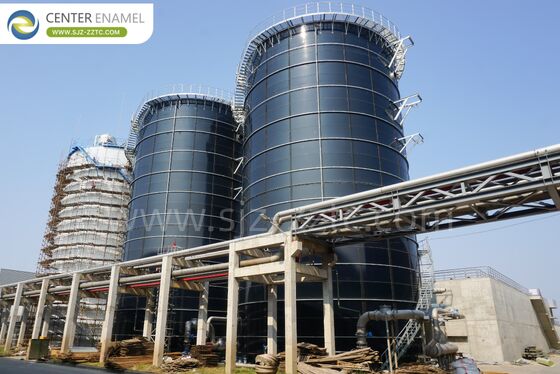
सेंटर इनेमल के ग्लास-फ्यूज्ड-टू-स्टील (जीएफएस) टैंक बायोगैस भंडारण के लिए प्रीमियम विकल्प हैं। हमारी विनिर्माण प्रक्रिया, जिसमें अत्यधिक तापमान पर उच्च शक्ति वाले स्टील प्लेटों के साथ पिघले हुए ग्लास को जोड़ना शामिल है, एक निष्क्रिय और अकार्बनिक बंधन बनाता है। यह बेहतर संक्षारण प्रतिरोध और संरचनात्मक स्थायित्व के साथ एक सतह का उत्पादन करता है जो मानक एपॉक्सी या वेल्डेड स्टील टैंक से कहीं बेहतर प्रदर्शन करता है। हम इस भंडारण को अपनी उन्नत डबल मेम्ब्रेन छत के साथ पूरक करते हैं। यह समाधान विशेष रूप से परियोजना लागत और स्थान दक्षता को अनुकूलित करने के लिए डिज़ाइन किया गया है। एक एकीकृत गैस धारक के रूप में कार्य करके, डबल झिल्ली छत अलग गैस भंडारण बुनियादी ढांचे की आवश्यकता को समाप्त कर देती है, जिससे परियोजना के पदचिह्न और कुल निर्माण लागत में काफी कमी आती है।
सेंटर इनेमल विशिष्ट परियोजना आवश्यकताओं को पूरा करने के लिए भंडारण और कवरिंग विकल्पों की एक विविध श्रृंखला प्रदान करता है:
- जस्ती इस्पात टैंक:इन टैंकों में एक विशेष गैल्वनीकरण प्रक्रिया होती है जो उत्कृष्ट दीर्घकालिक प्रदर्शन सुनिश्चित करते हुए एक कठिन, पहनने के लिए प्रतिरोधी और टिकाऊ सुरक्षात्मक कोटिंग प्रदान करती है।
- फ्यूजन बॉन्डेड एपॉक्सी (एफबीई) टैंक:वैश्विक नेता अक्ज़ोनोबेल के साथ साझेदारी में, हम एफबीई टैंक पेश करते हैं जो असाधारण रासायनिक प्रतिरोध और संरचनात्मक अखंडता प्रदान करते हुए नवीन कोटिंग तकनीक की सुविधा प्रदान करते हैं।
- स्टेनलेस स्टील टैंक:हम उच्च गुणवत्ता वाले AISI 304/316 स्टेनलेस स्टील टैंक प्रदान करते हैं जिन्हें उच्च शुद्धता वाले अनुप्रयोगों या असाधारण कठोर वातावरण में संचालन के लिए सबसे कठोर आवश्यकताओं को पूरा करने के लिए डिज़ाइन किया गया है।
हमारी बायोगैस परियोजनाओं के निर्बाध एकीकरण और उच्च दक्षता को सुनिश्चित करने के लिए, हम पेशेवर उपकरणों की एक व्यापक श्रृंखला की आपूर्ति करते हैं:
- गैस धारक और काली झिल्ली:उत्पन्न बायोगैस के सुरक्षित और स्केलेबल भंडारण के लिए विशेष समाधान।
- ठोस-तरल विभाजक:सुसंगत और अनुकूलित रिएक्टर फ़ीड सुनिश्चित करने के लिए कचरे के पूर्व-प्रसंस्करण के लिए एक महत्वपूर्ण घटक।
- मशाल प्रणाली:पर्यावरण सुरक्षा मानकों का पालन करते हुए अतिरिक्त गैस का सुरक्षित और नियंत्रित दहन सुनिश्चित करता है।
- भारोत्तोलन पंप:टिकाऊ, उच्च-प्रदर्शन पंप विशेष रूप से खाद्य अपशिष्ट घोल की उच्च चिपचिपाहट को संभालने के लिए इंजीनियर किए गए हैं।
- निर्जलीकरण और डिसल्फराइजेशन टैंक:नमी और सल्फर यौगिकों को कुशलतापूर्वक हटाकर बायोगैस की गुणवत्ता को परिष्कृत करने के लिए एक आवश्यक इकाई।
- पेंच कीचड़ निर्जलीकरण मशीन:एक उच्च दक्षता वाली इकाई जो मात्रा को काफी कम करके पाचन के बाद कीचड़ प्रबंधन को अनुकूलित करती है।
सेंटर इनेमल बायोगैस परियोजना के सभी चरणों के लिए वन-स्टॉप, व्यापक समाधान प्रदाता के रूप में कार्य करता है। हमारा एकीकृत सेवा मॉडल शुरू से अंत तक परियोजना दक्षता सुनिश्चित करता है:
- ईपीसी सेवा:हम संपूर्ण इंजीनियरिंग, खरीद और निर्माण (ईपीसी) सेवाएं प्रदान करते हैं, समय पर डिलीवरी और परिचालन तत्परता सुनिश्चित करने के लिए सुविधा के पूरे जीवनचक्र का प्रबंधन करते हैं।
- प्रक्रिया पैकेज:हम अनुकूलित जैव रासायनिक प्रक्रिया डिज़ाइन प्रदान करते हैं, यह सुनिश्चित करते हुए कि हमारे सिस्टम आपके जैविक अपशिष्ट फीडस्टॉक की अनूठी विशेषताओं के लिए पूरी तरह से कैलिब्रेट किए गए हैं।
- उपकरण आपूर्ति:एक प्रत्यक्ष निर्माता के रूप में, हम उच्चतम गुणवत्ता वाले मुख्य उपकरण प्रदान करते हैं, जो परियोजना के पूरे जीवनकाल के लिए उत्तम सिस्टम अनुकूलता, स्थायित्व और शीर्ष स्तरीय प्रदर्शन सुनिश्चित करते हैं।
बांग्लादेश के लिए अपने रसोई अपशिष्ट संकट को प्रभावी ढंग से संबोधित करने के लिए जीएफएस टैंक और सीएसटीआर प्रक्रिया सहित आधुनिक बायोगैस समाधान को अपनाना आवश्यक है। सेंटर इनेमल कचरे को विश्वसनीय नवीकरणीय ऊर्जा संसाधन में बदलने के लिए आवश्यक पेशेवर विशेषज्ञता, मजबूत उपकरण और व्यापक ईपीसी सेवाएं प्रदान करता है। हमारे साथ साझेदारी करके, नगरपालिका और औद्योगिक परियोजनाएं स्थायी अपशिष्ट प्रबंधन लक्ष्यों को प्राप्त कर सकती हैं, पर्यावरणीय प्रभाव को कम कर सकती हैं, और देश के नवीकरणीय ऊर्जा लक्ष्यों में योगदान कर सकती हैं, जिससे आबादी और पर्यावरण के लिए एक स्वच्छ, अधिक कुशल और अधिक टिकाऊ भविष्य सुनिश्चित हो सके।